Turning Customer Evidence Into Continuous Product Improvement
Role: UX researcher, with responsibility extending into UX design, UX writing, facilitation, and roadmap input
Product: Flight, hotel, train, and bus booking
Outcome: Improvements to key booking flows and navigation contributed to a 10% increase in conversion and a 10% reduction in bounce rate.

The Context
Flightio had recently completed a major rebrand and redesign. The product served several travel categories, each with different audiences and operational constraints, but the team lacked a current, shared understanding of customer needs.
My responsibility was broader than evaluating individual screens. I needed to establish a repeatable research practice, organize scattered product knowledge, identify experience gaps, and help teams connect evidence to design and roadmap decisions.
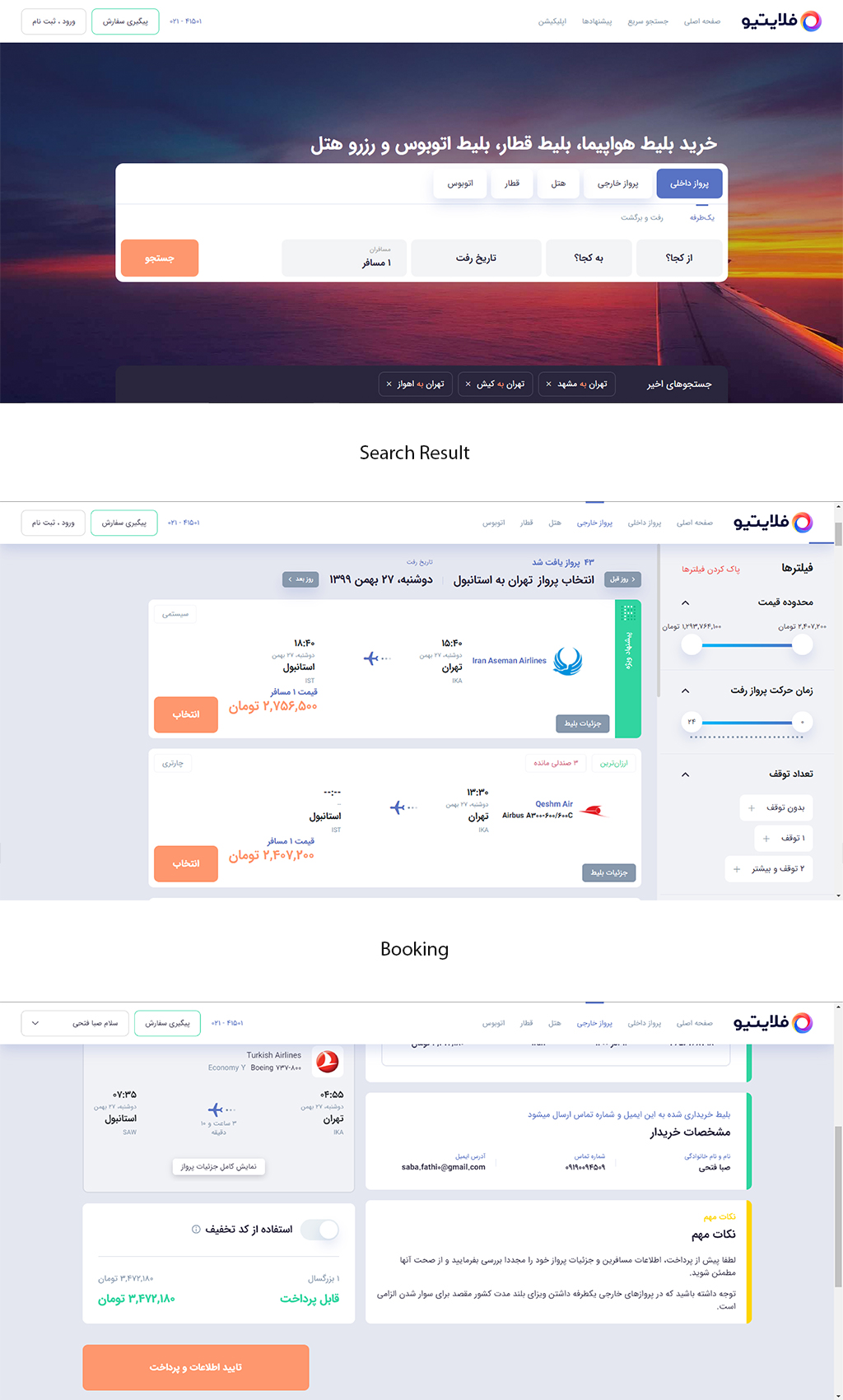
The Initial Challenges
- Existing assumptions about customers were not supported by recent research.
- Information architecture and important journeys had not kept pace with the redesigned interface.
- Essential capabilities were missing or difficult to discover.
- UX writing was inconsistent.
- Research and product documentation were fragmented and difficult to reuse.
Establishing a Research System
I combined interviews, usability testing, competitive analysis, product analytics, and behavioral recordings from tools including Google Analytics, Hotjar, Smartlook, and Microsoft Clarity.
Rather than treating research as a one-off project, I introduced a recurring rhythm. Every three months, I spoke with customers and evaluated priority journeys so the team could identify both persistent friction and changing expectations.
Across the program, I interviewed 30 existing customers—13 women and 17 men—and observed how they planned travel, evaluated options, and used Flightio’s services.

Turning Insight Into Shared Product Knowledge
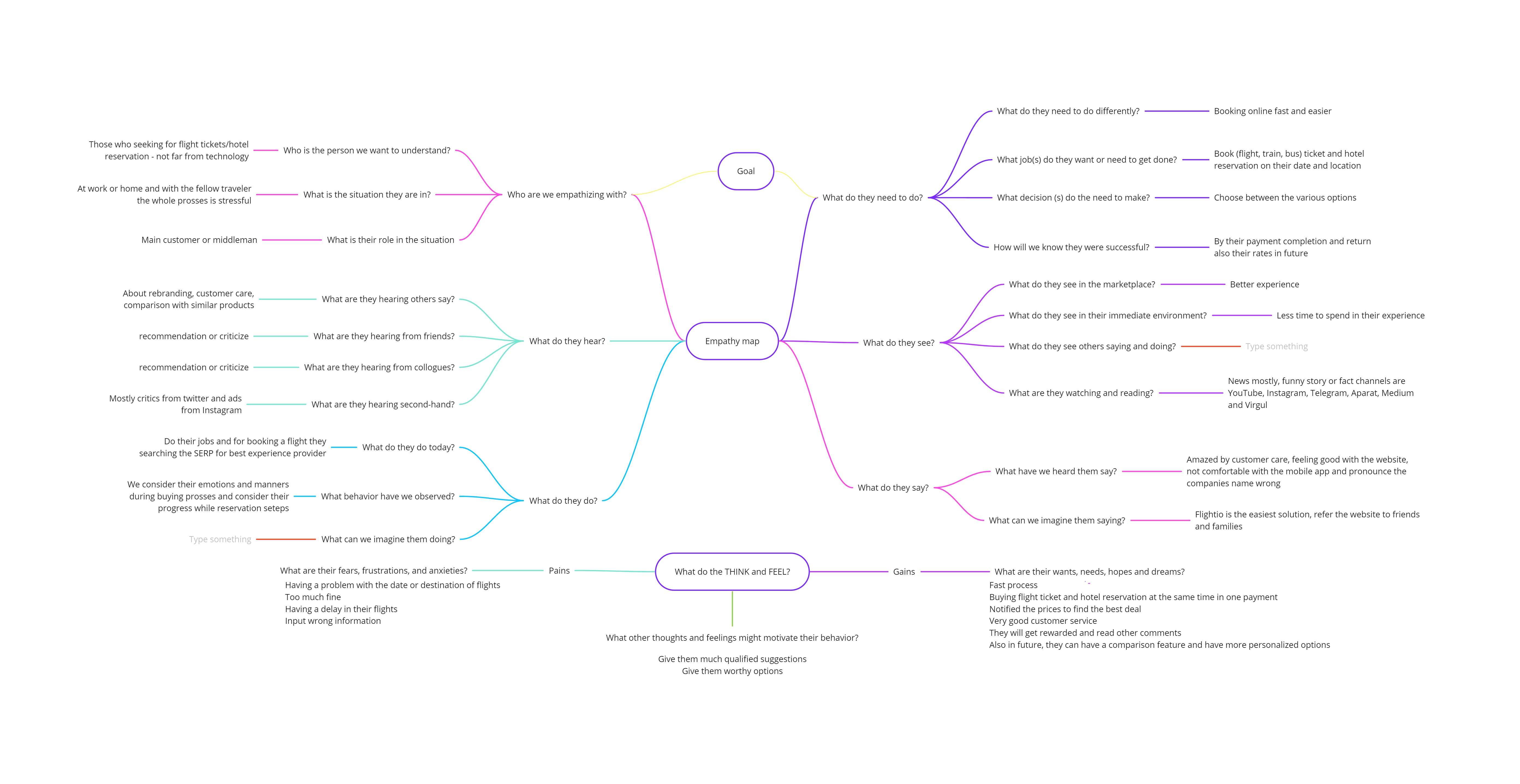
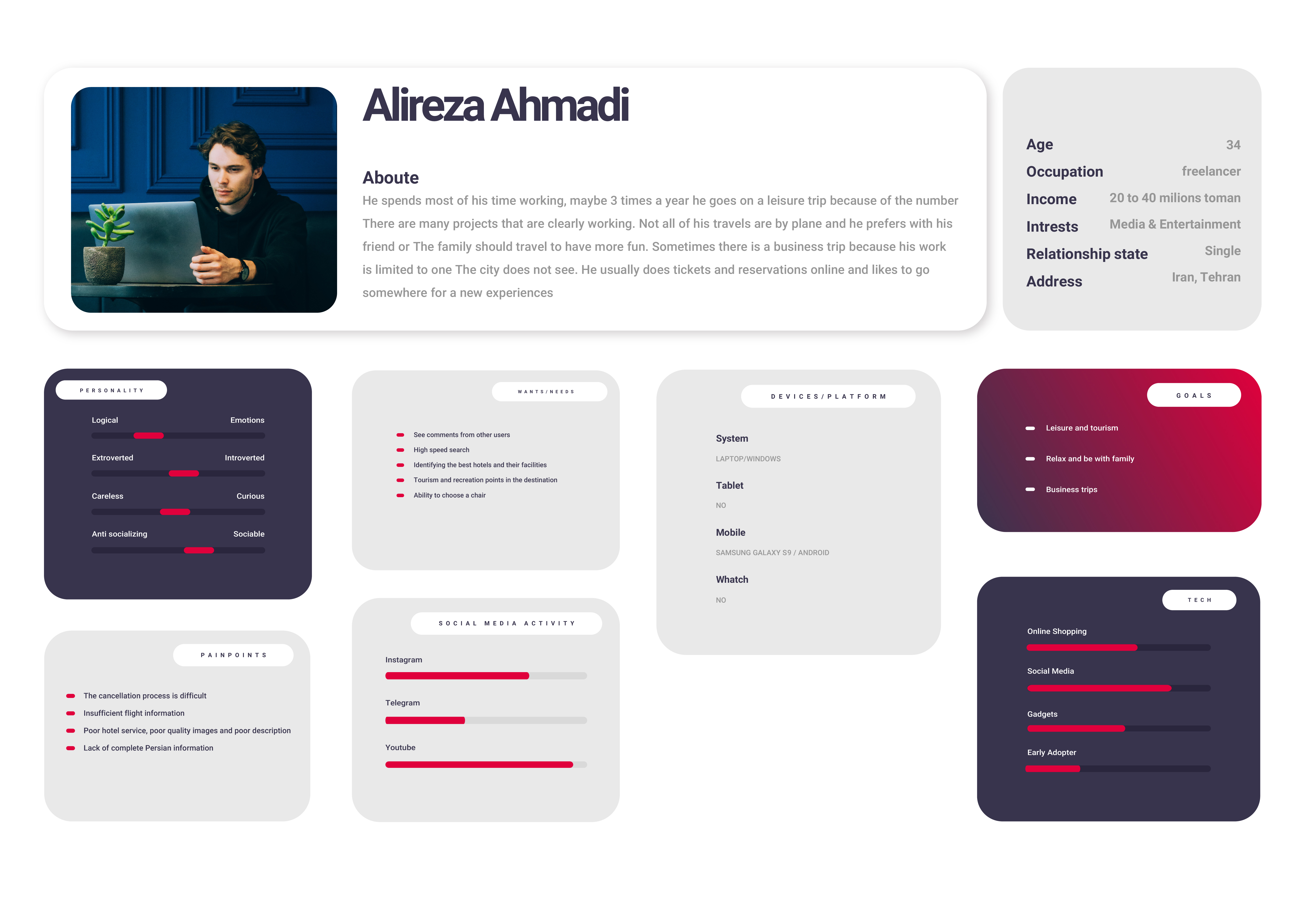
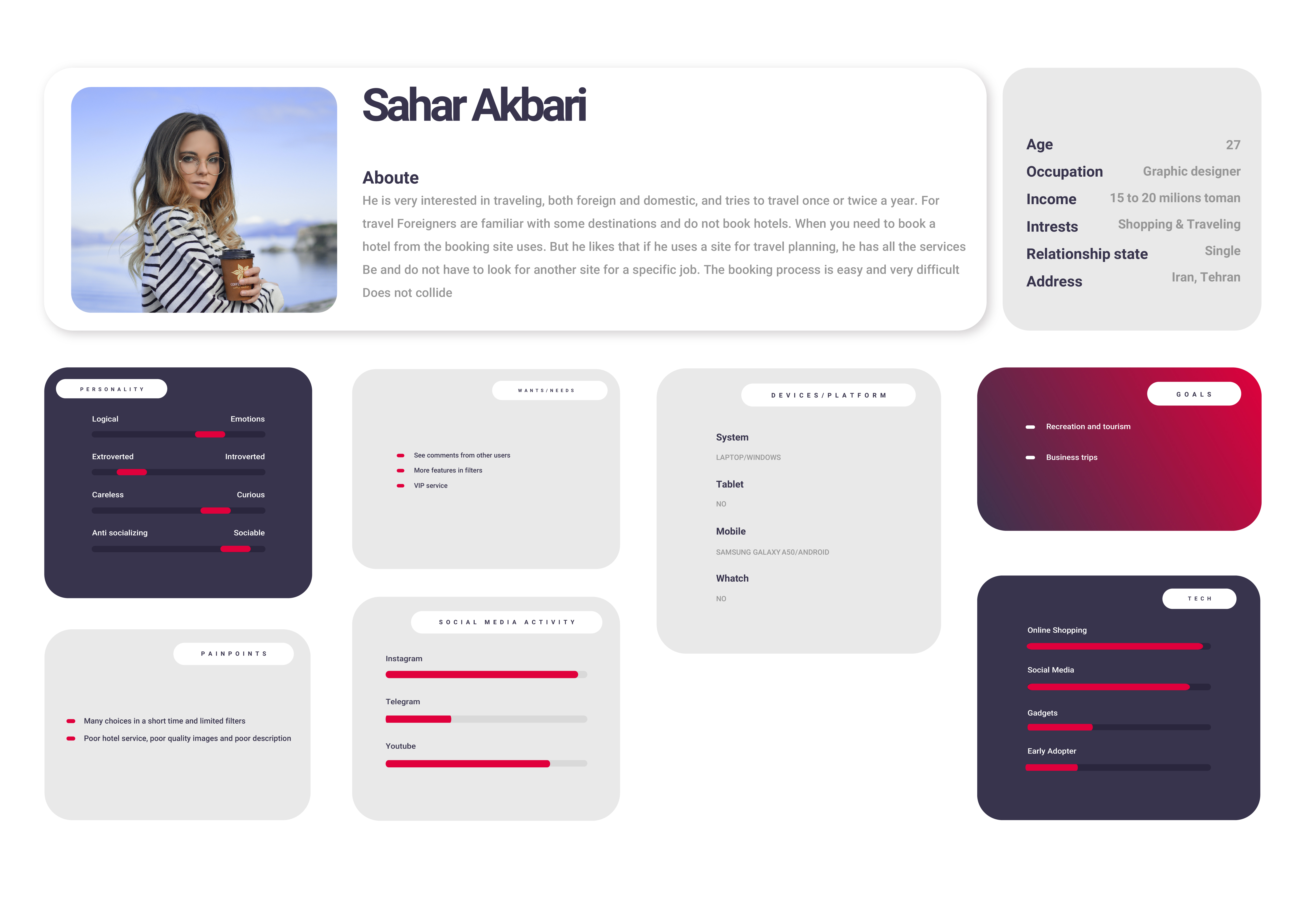
I synthesized interview and behavioral evidence into empathy maps, three data-informed personas, and journey models. The personas included goals, pain points, device preferences, media behavior, and digital confidence. I also tagged them so marketing and data teams could connect qualitative needs with customer segments.
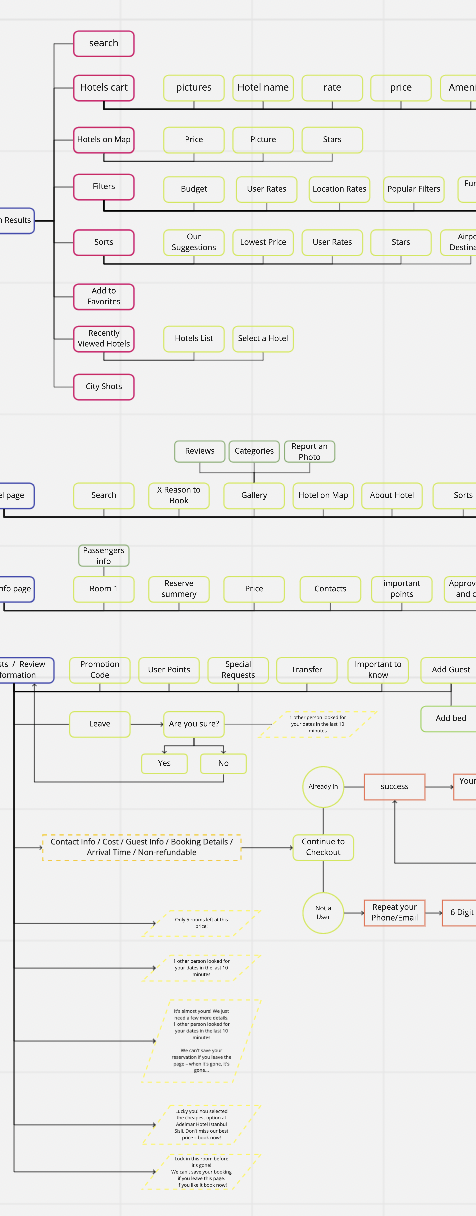
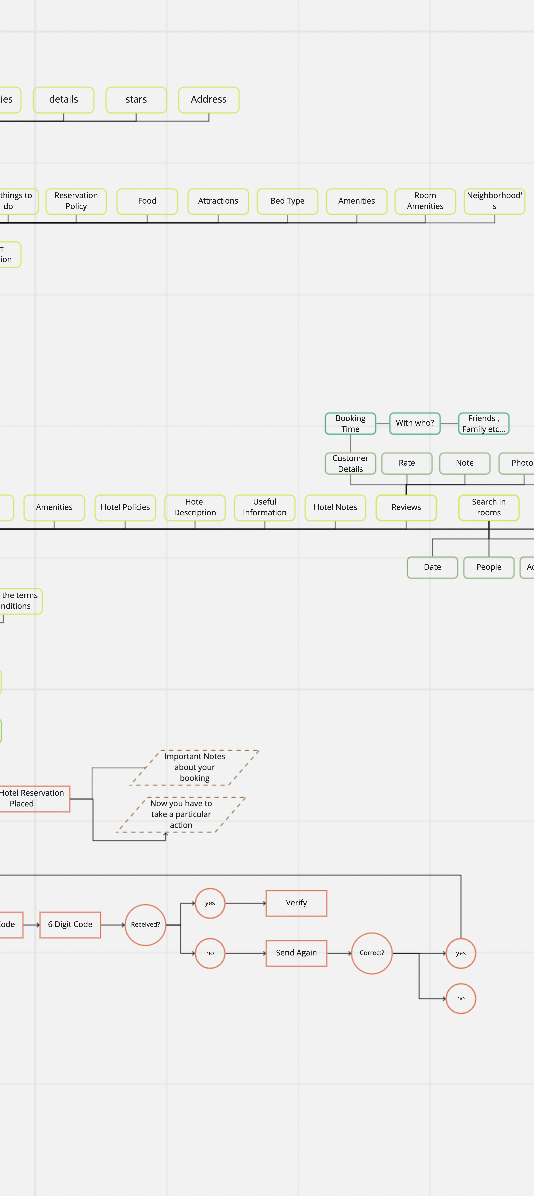
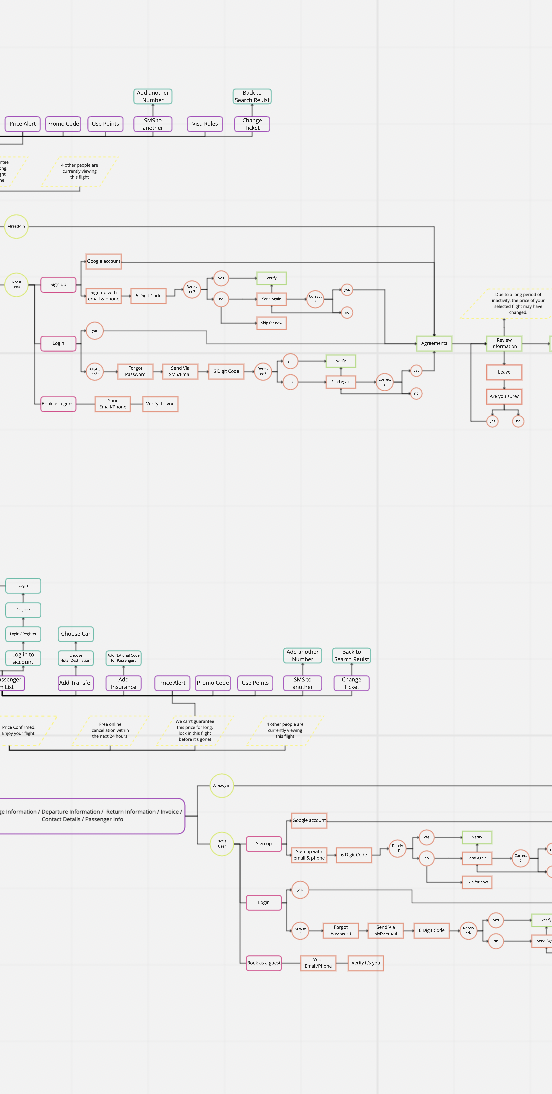
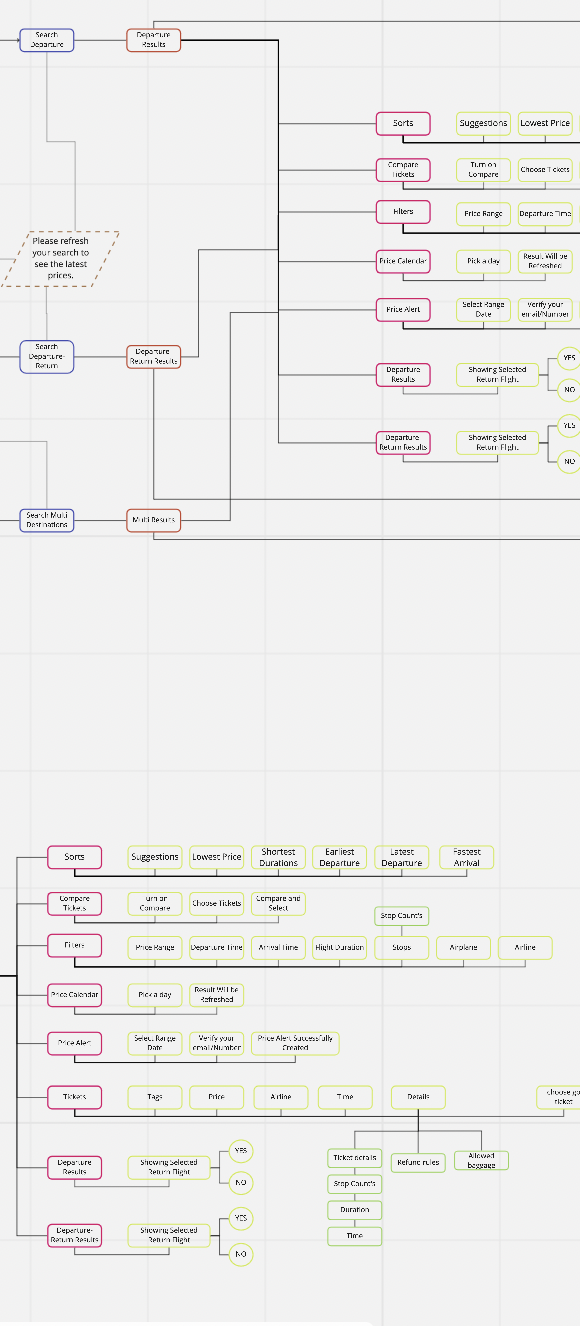
I mapped the product’s navigation and critical paths across flight, hotel, train, and bus services. This made missing steps, duplicated concepts, and unclear routes visible to the wider team.
From Research to Design
Once opportunities were prioritized, I created wireframes and facilitated working sessions with UI designers, developers, product stakeholders, marketing, and data teams. I also reviewed UX writing and participated in roadmap discussions, helping the team carry research intent through implementation instead of ending at a report.
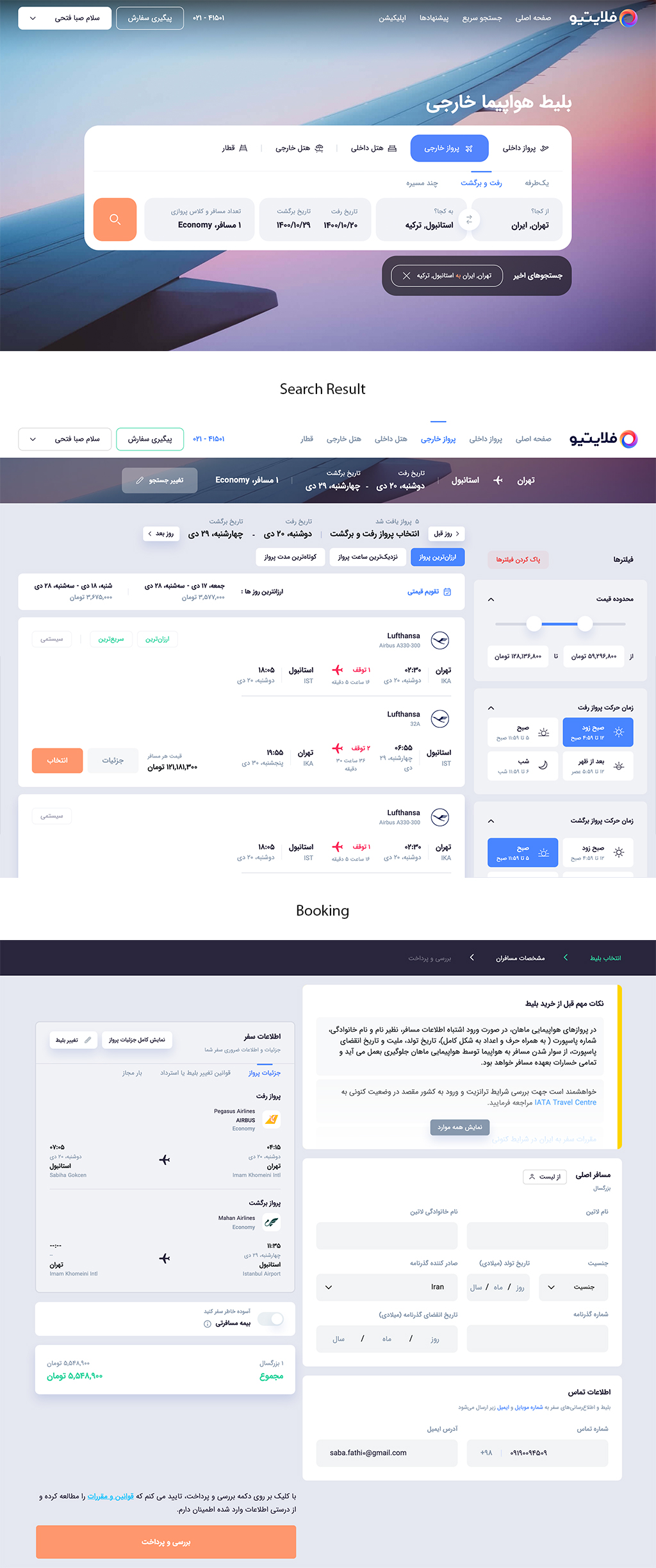

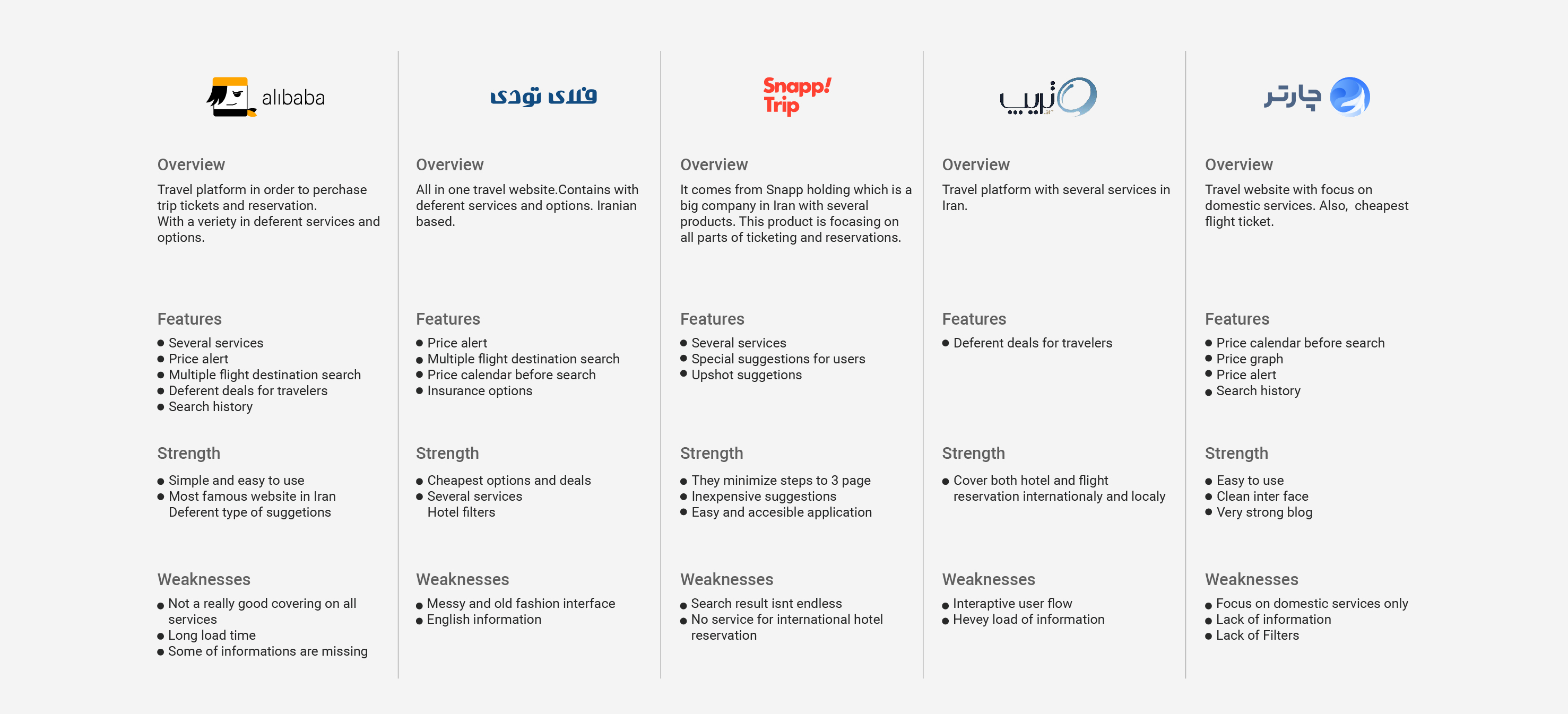
Competitive analysis began with established travel platforms and expanded to emerging services. The work helped us distinguish expected table-stakes functionality from opportunities where Flightio could create a stronger experience.
Impact
Across the program:
- Conversion increased by 10%.
- Bounce rate decreased by 10%.
- Research became a recurring part of product development rather than an occasional validation step.
- Teams gained reusable personas, journey maps, navigation models, and a more organized evidence base.
- Customer insight informed feature development, interface changes, UX writing, and roadmap priorities across multiple services.
These product-level metrics reflect the combined work of the cross-functional team; research and design were contributors rather than isolated causes.
What I Learned
The most valuable research method is the one that reduces uncertainty around the decision at hand. Interviews helped explain motivation, behavioral data revealed where friction occurred at scale, and usability testing exposed interaction problems that people could not easily describe.
This role also changed how I define research impact. Insight matters only when it enters the conversations, artifacts, and decisions that shape the product. My job was not simply to report what customers said, but to help the organization act on what we learned.