Helping Trial Users Reach Value Faster
Role: UX researcher
Timeline: Seven-day discovery sprint
Product: B2B route-planning SaaS
Deliverables: Market and competitor research, interviews, journey maps, opportunity areas, and early solution concepts

The Challenge
Routetitan helps delivery businesses plan routes, reduce fuel and planning time, improve on-time performance, and monitor work in progress. Yet only 3% of trial users converted to a paid plan—well below the 25% B2B SaaS benchmark used by the team.
The brief was to investigate why potential customers were not reaching enough value during the trial and identify improvements that could increase activation and conversion.
Understanding the Market
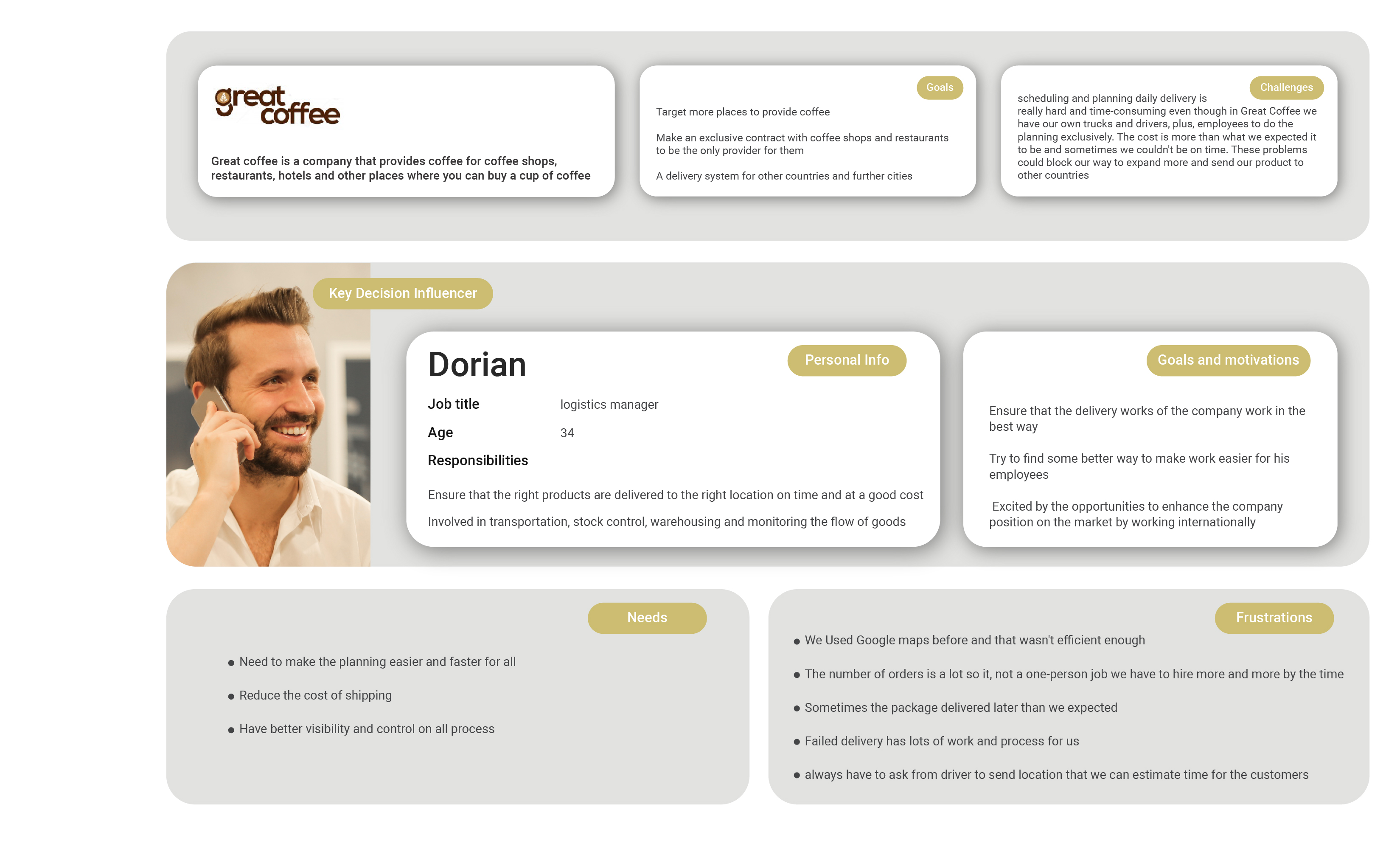
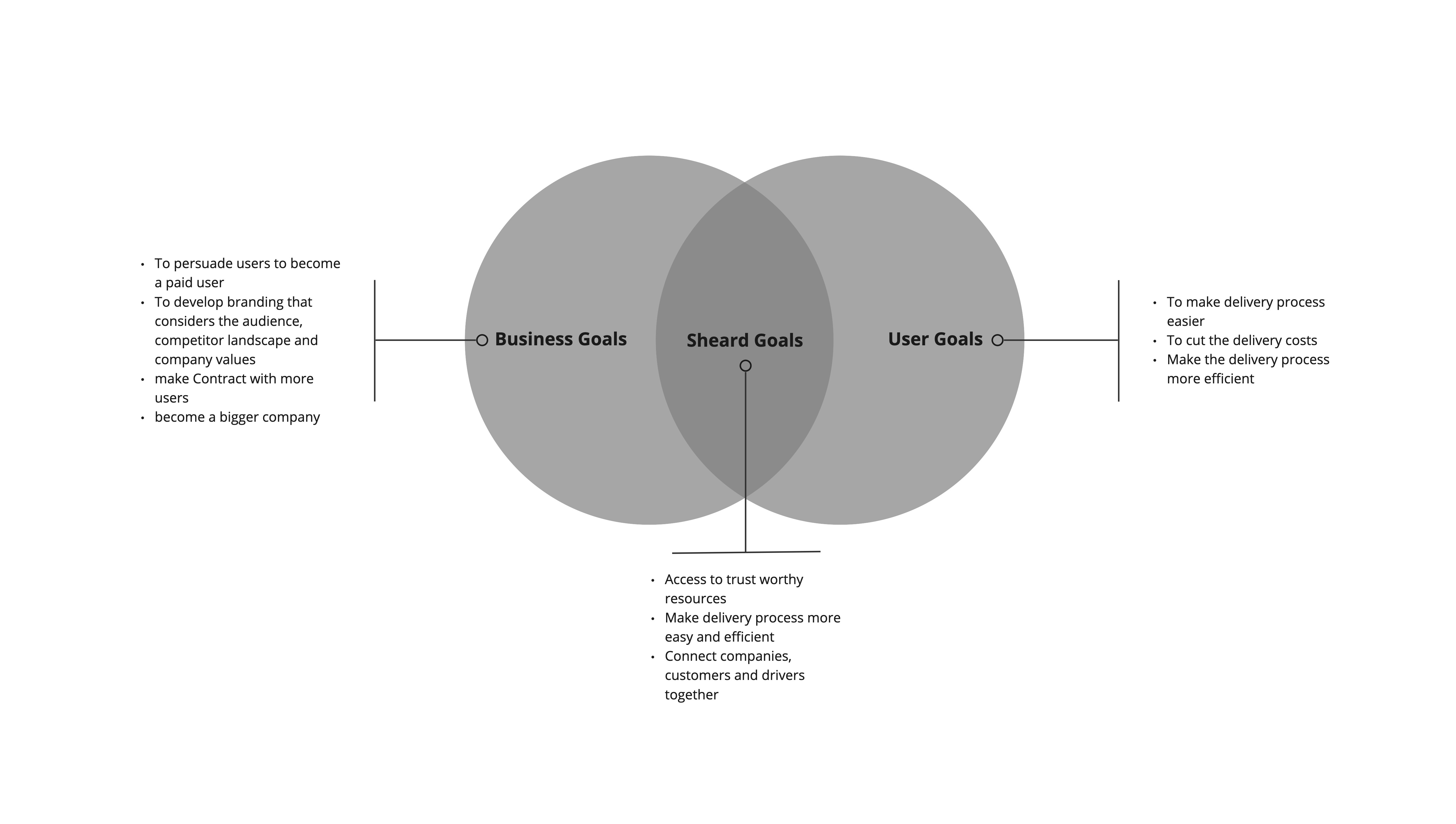
I began by mapping the operational problems route-planning teams face: managing multiple routes, delayed deliveries, limited real-time visibility, manual planning, customer updates, delivery cost, and proof of delivery.
This context mattered because trial conversion depends on more than interface quality. A new customer must quickly recognize that the product addresses a problem important enough to change an established workflow.
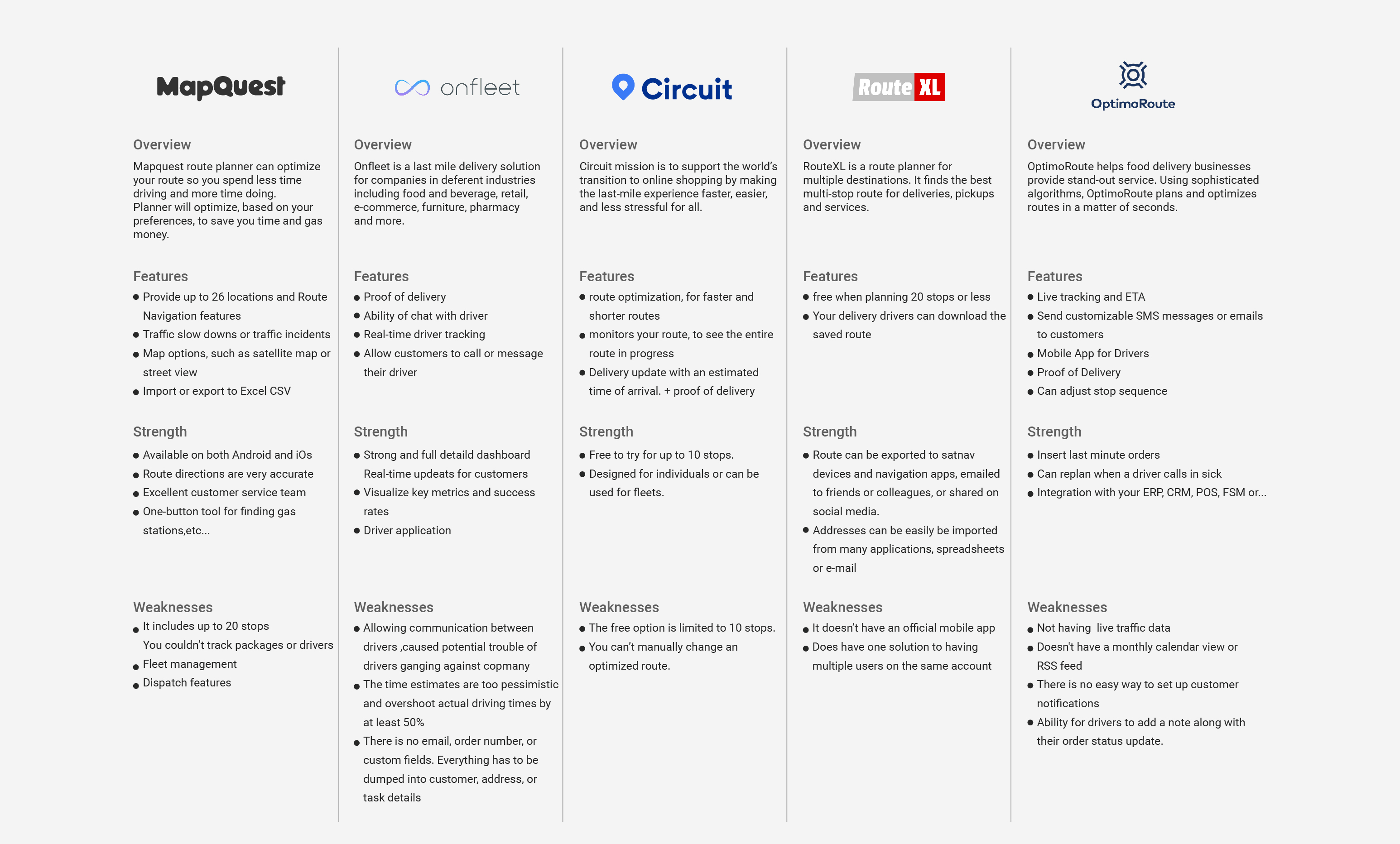
Competitive analysis helped identify expected capabilities and common positioning patterns across the category. It also made it possible to separate table-stakes functionality from opportunities for differentiation.

Speaking With Potential Users
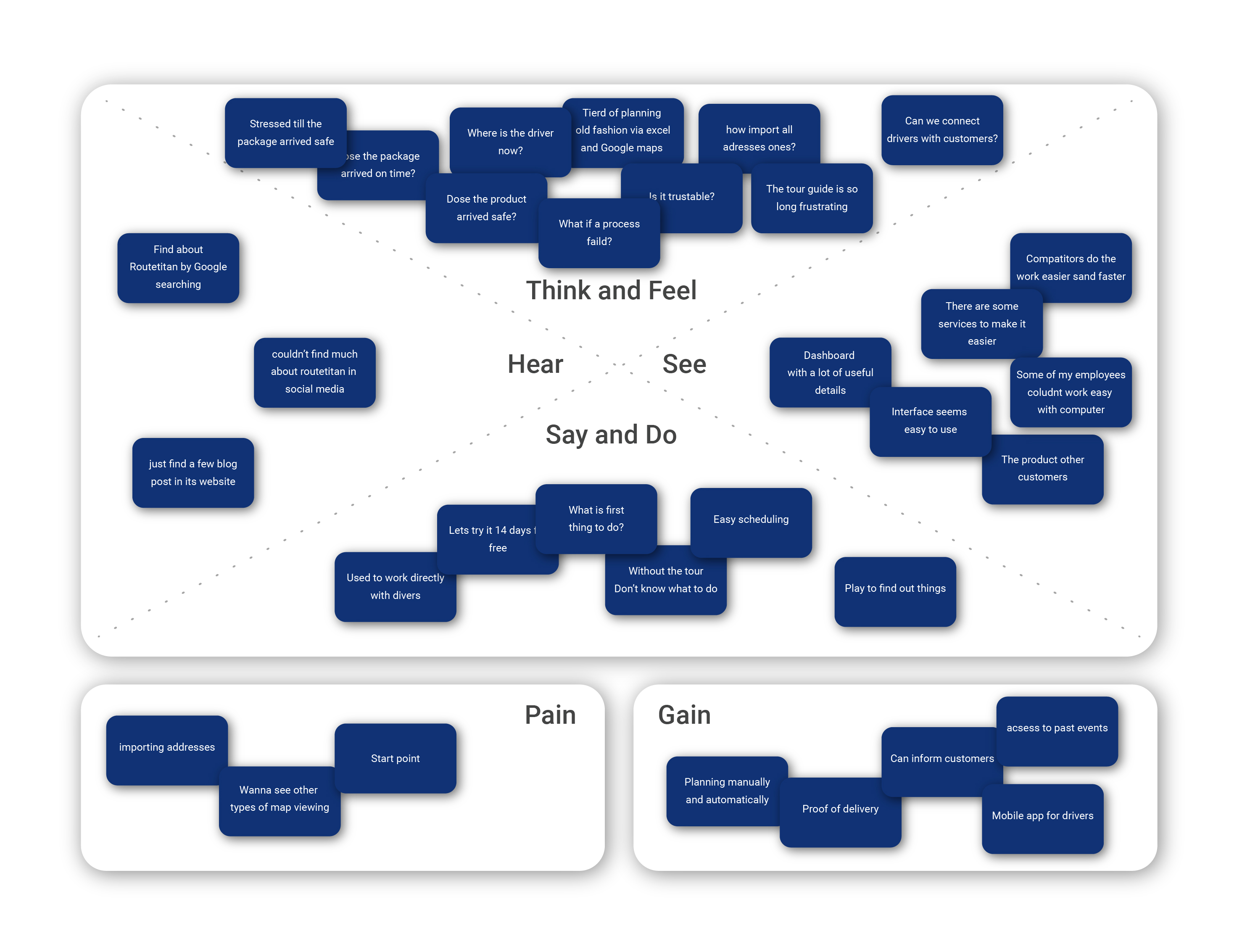
I interviewed three participants between 28 and 39 years old who reflected the target audience. Given the small sample and seven-day timeline, I treated the findings as directional hypotheses rather than representative conclusions.
Two tensions stood out:
- Route planning was stressful and time-consuming, but teams often assumed an internal or familiar method would be easier and cheaper than adopting another tool.
- Users wanted a comprehensive operational overview, but they also expected initial setup to be fast and low-effort.
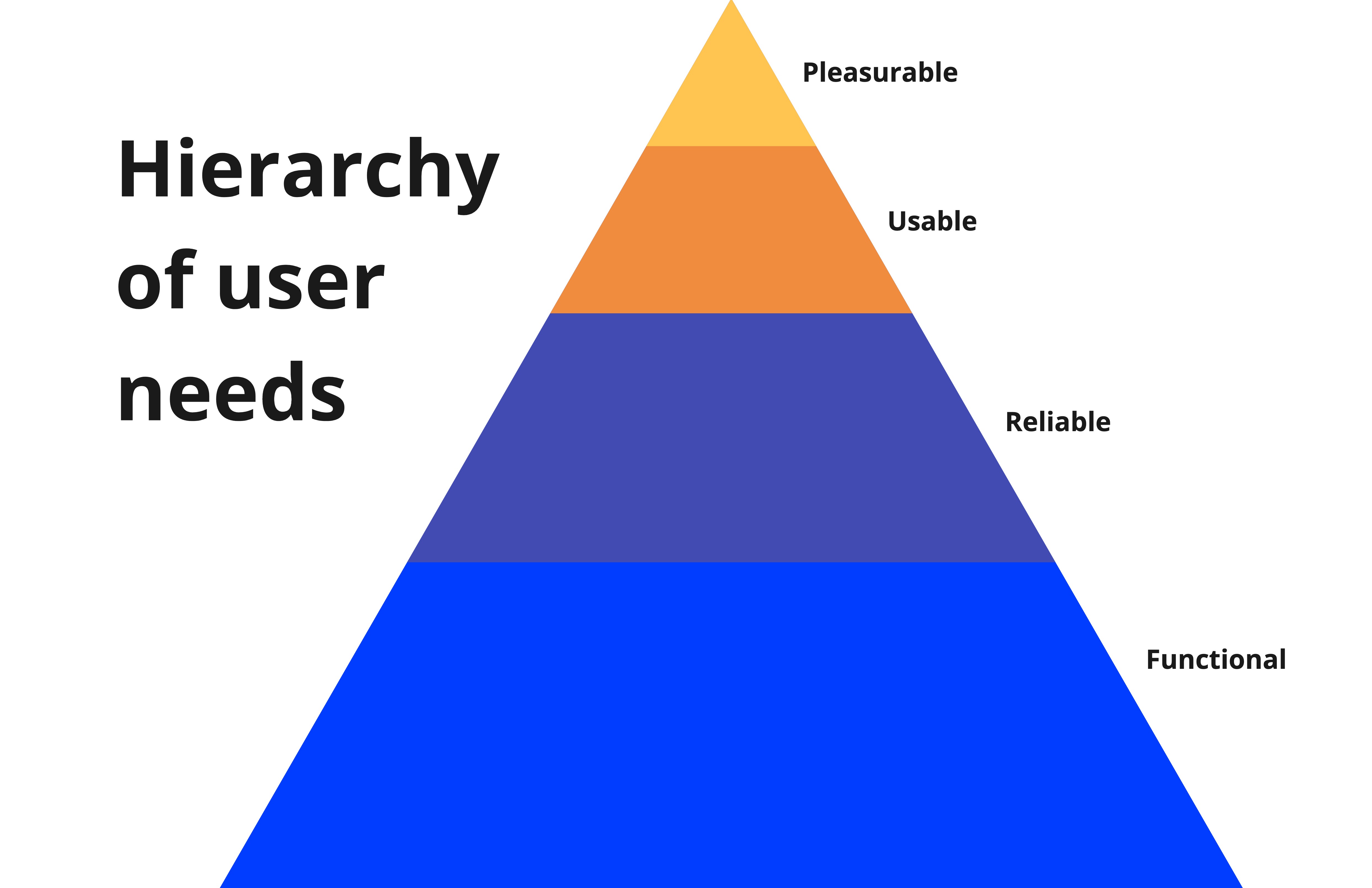
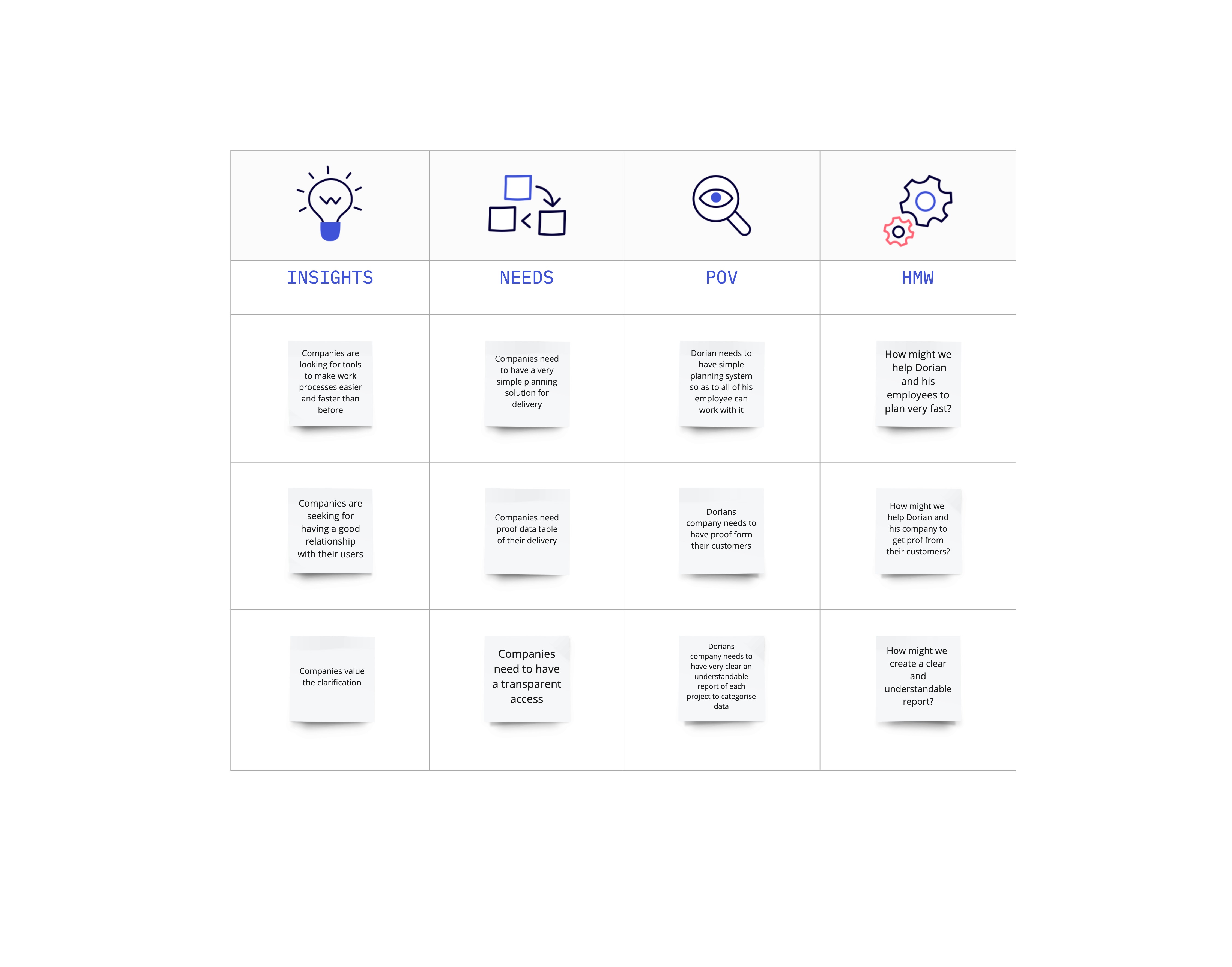
Their priority needs included a clear plan overview, an actionable dashboard, support for many stops, fast planning, proof of delivery, and predictable cost.
Where the Trial Experience Broke Down
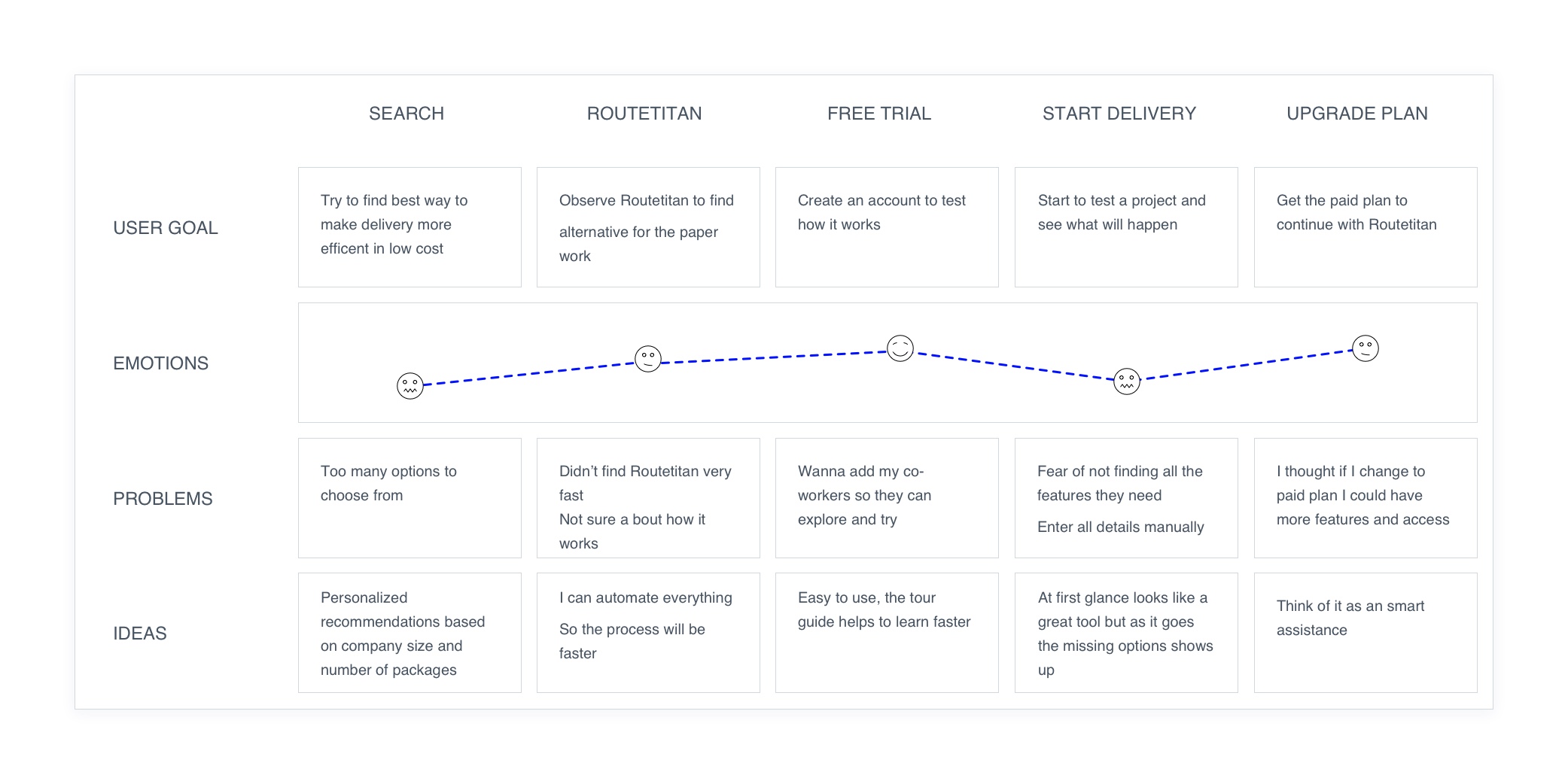
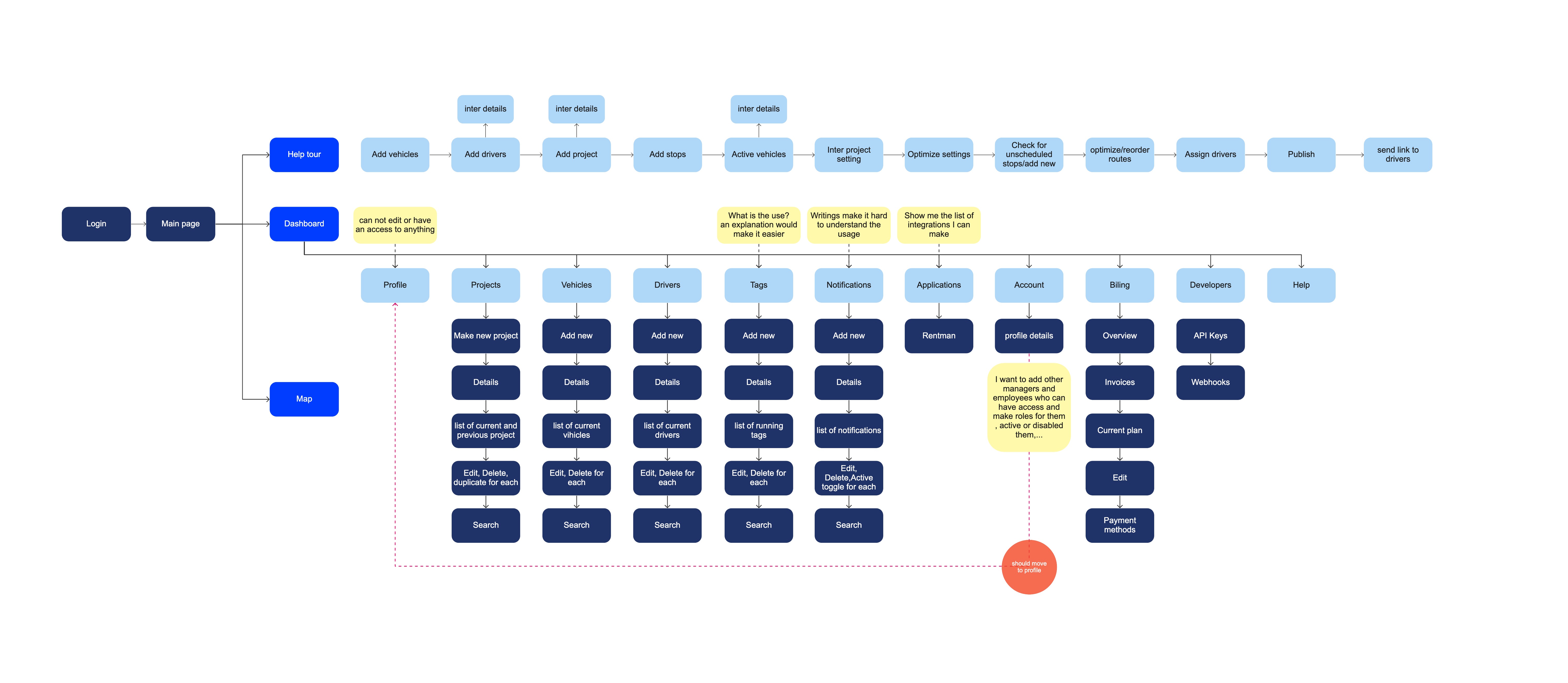
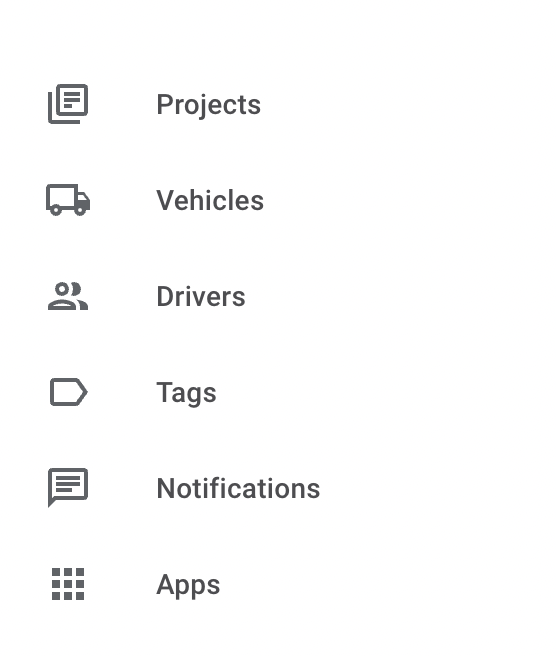
Journey mapping and product review suggested that the interface did not consistently help new users follow their natural planning sequence. Important options were easy to miss, terminology did not always match user expectations, and some workflows required too much manual input before demonstrating value.
For a trial user, each of these issues increases time to value. If creating the first useful route feels slow or unfamiliar, the product has little opportunity to prove its advantage over the user’s current process.
Design Direction
I created early flows and wireframes around five principles:
Make critical actions visible
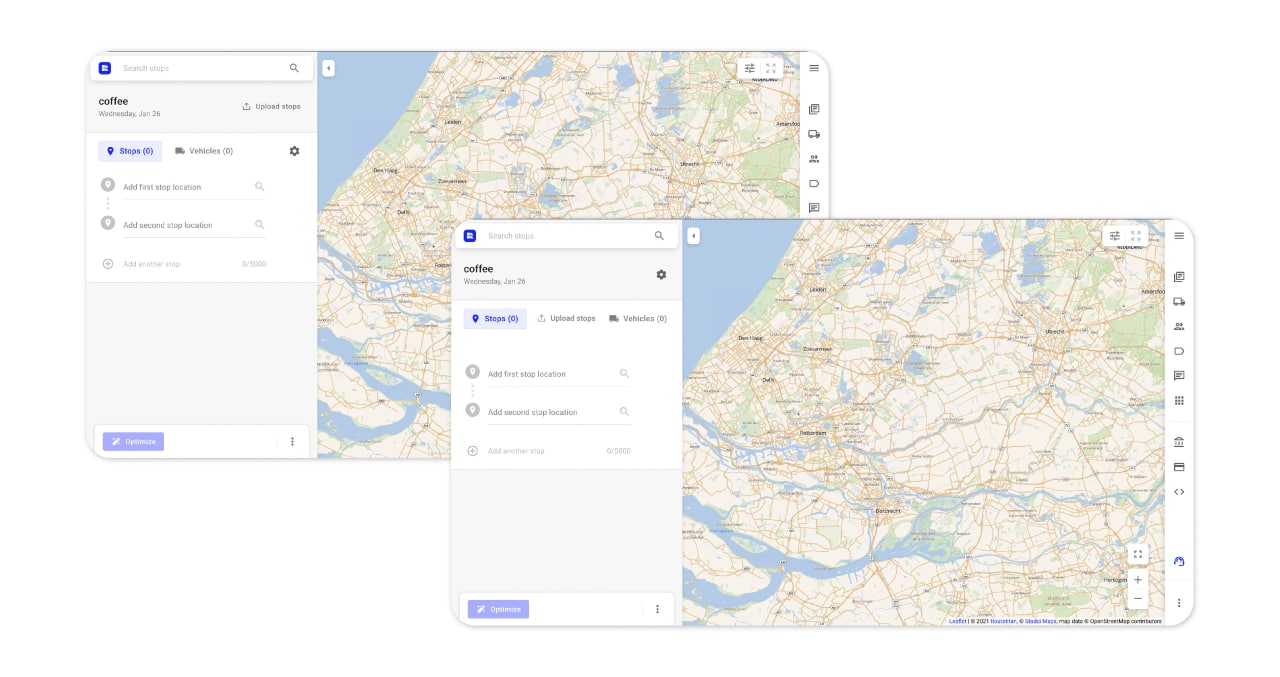
Capabilities such as importing a file of stops should be prominent at the moment users need them, not hidden behind secondary controls.
Follow the planner’s mental model
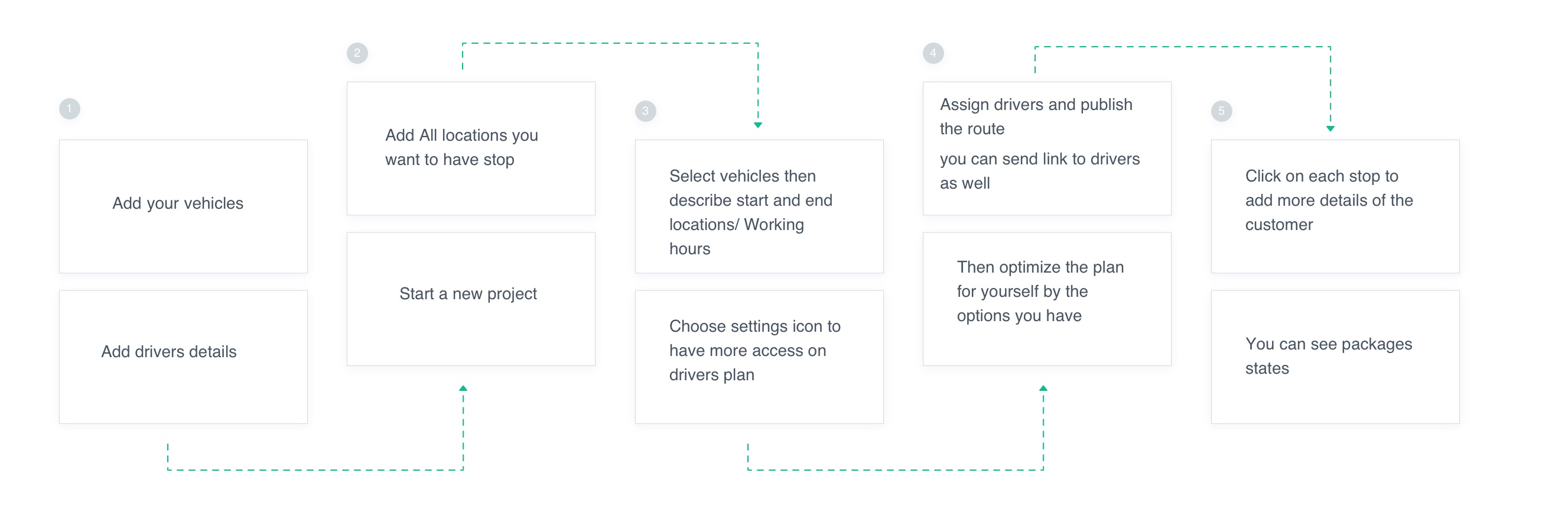
The experience should begin with the plan, then introduce vehicles, drivers, and operational details in a sequence that reflects how teams already think about the task.
Reduce setup effort
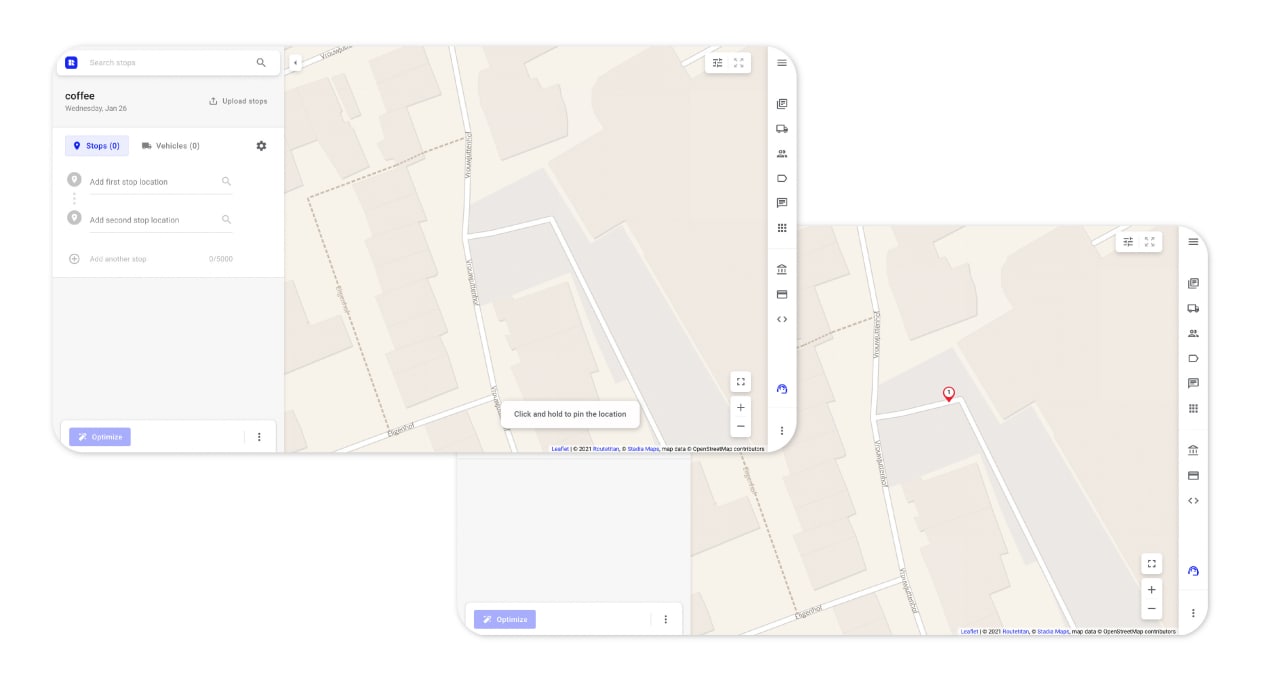
File import, map selection, and sensible defaults can replace repeated manual address entry and help users reach a usable route sooner.
Use familiar language and patterns
Consistent terminology and conventional dashboard structures reduce the learning burden during a time-limited trial.
Reveal value during the workflow
The product should make time saved, route quality, progress visibility, and proof-of-delivery capabilities tangible as users build their first plan.
Outcome and Next Steps
The sprint produced a clearer hypothesis for low conversion: Routetitan needed to reduce time to first value and make its advantage over familiar planning methods easier to experience.
Because the concepts were not implemented during the sprint, I would not present them as proven conversion improvements. The next step is to test the revised first-route journey with target customers, then measure activation milestones such as data import, first route created, first route dispatched, invited teammate, and return usage. Connecting those behaviors to paid conversion would show which moments actually predict adoption.
Reflection
This project reinforced the value of separating user need from product habit. A workflow can solve an important problem and still fail if customers cannot experience that value quickly enough. In trial design, clarity and setup effort are part of the business model.